
The Essential Role of Management Review in Leadership Performance
2/25/20261 min read
Understanding Management Review
In the realm of organizational excellence, the management review is a critical process mandated by Clause 9.3. This clause explicitly calls for top management to thoroughly assess system performance. However, it is essential to recognize that these reviews are not merely symbolic practices; they play a vital role in shaping effective leadership.
The Leadership Responsibilities in Management Review
Effective leadership involves a multifaceted approach to management reviews. First and foremost, leaders must consistently review objectives to ensure alignment with the organization's strategic goals. This involves evaluating whether the current objectives are realistic and whether they contribute positively to the organization’s vision.
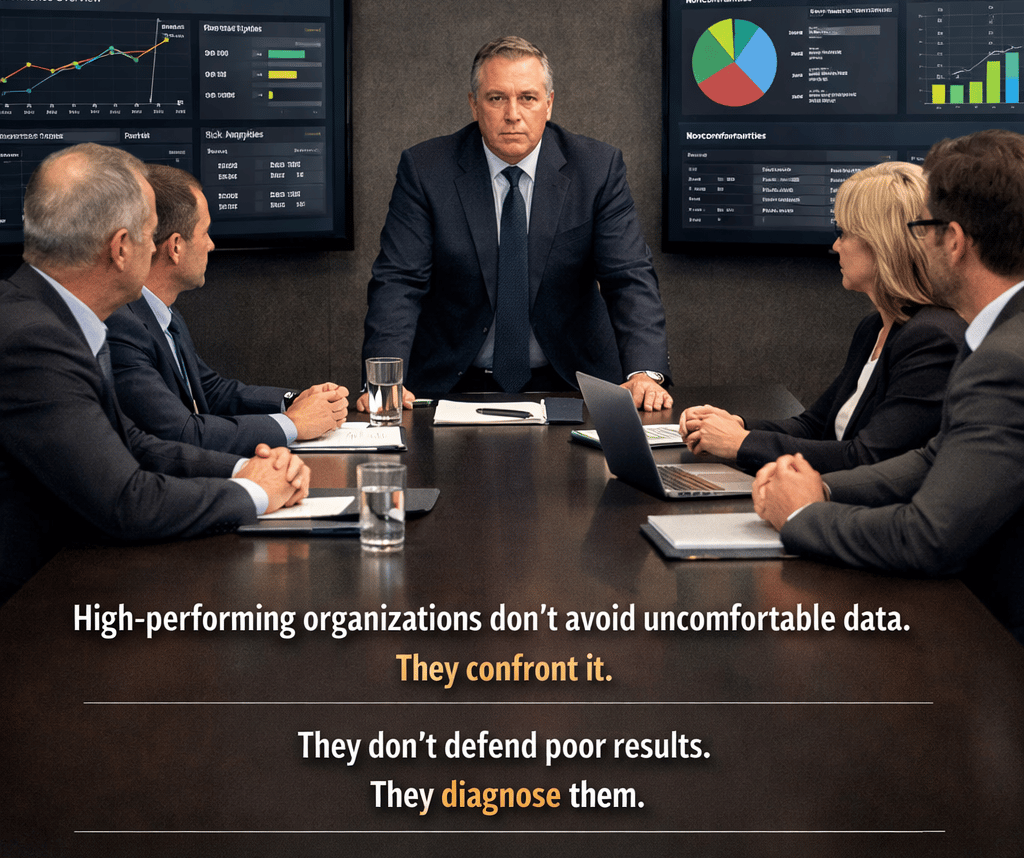
Moreover, analyzing performance data is crucial. Well-informed leaders do not shy away from uncomfortable data; instead, they confront it directly. This ability to engage with challenging information enables leaders to gain deeper insights into performance trends and operational effectiveness. Through data analysis, leadership can identify areas requiring improvement or adjustment.
Addressing Risks and Driving Improvements
Equally important is the evaluation of risks associated with the organization's performance. High-performing organizations actively seek to identify potential threats and opportunities within their operational landscape. By evaluating risks, leadership can formulate strategies to mitigate negative impacts and capitalize on favorable conditions.
Consequently, the decision-making process regarding improvements becomes imperative. It requires leaders to not only suggest changes but also commit to implementing them. The interplay between recognizing data, assessing risks, and advocating for improvements creates a culture of continuous progress—one where performance genuinely flourishes.
Finally, it is vital to note the subtle shift that distinguishes high-performance organizations. These organizations do not avoid uncomfortable data; they confront it with transparency and determination. Leadership willing to face such challenges inspires trust and accountability within the team, ultimately leading to improved overall performance.
In conclusion, the management review process is an indispensable tool for effective leadership. By diligently reviewing objectives, analyzing data, evaluating risks, and decisively opting for improvements, organizations foster an environment that values performance and growth. This commitment to management review is not just a procedural obligation, but a clear pathway to achieving sustained success.